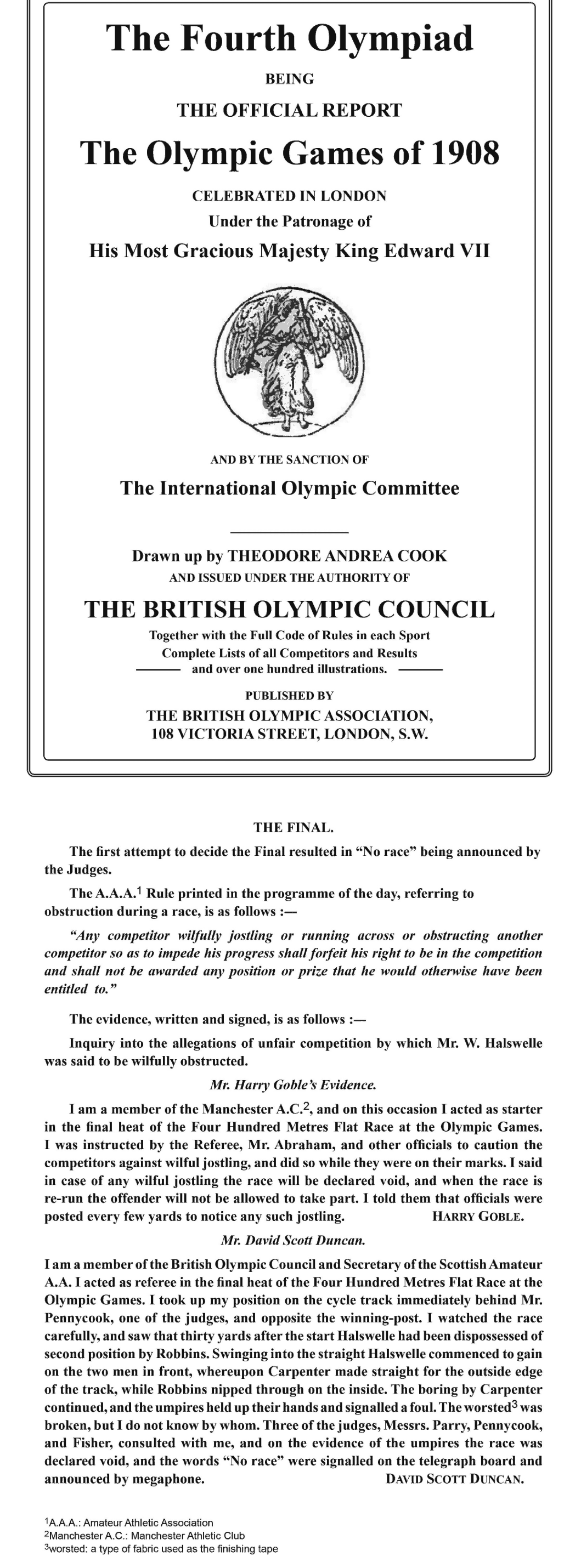
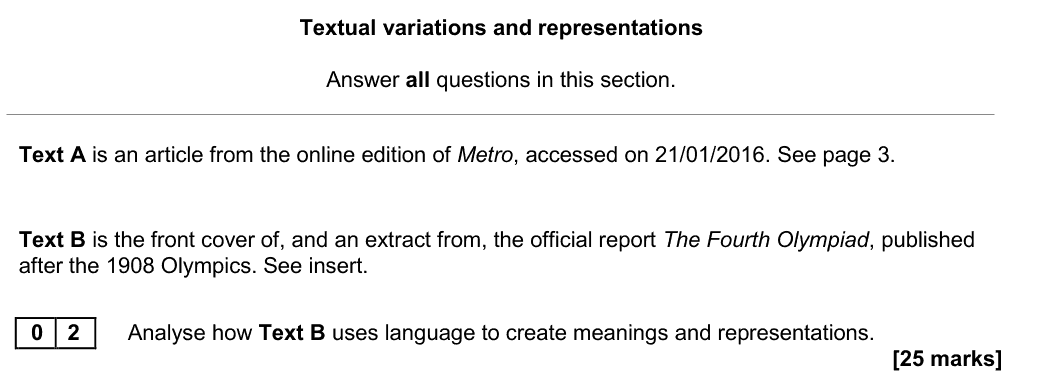
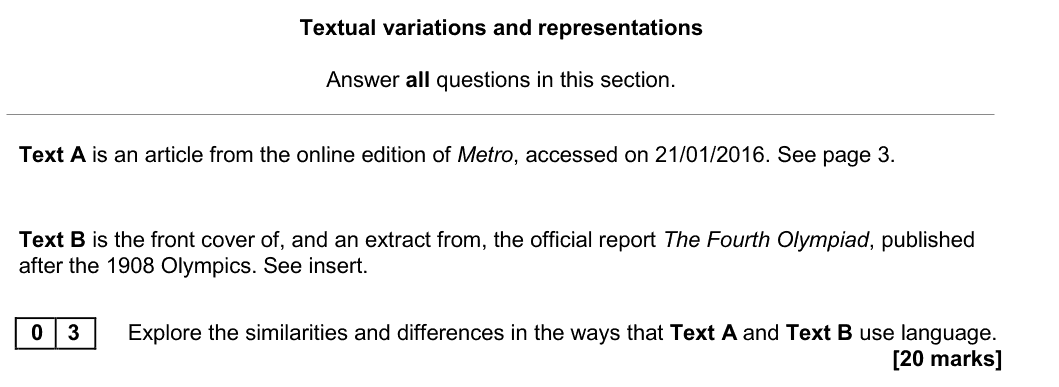
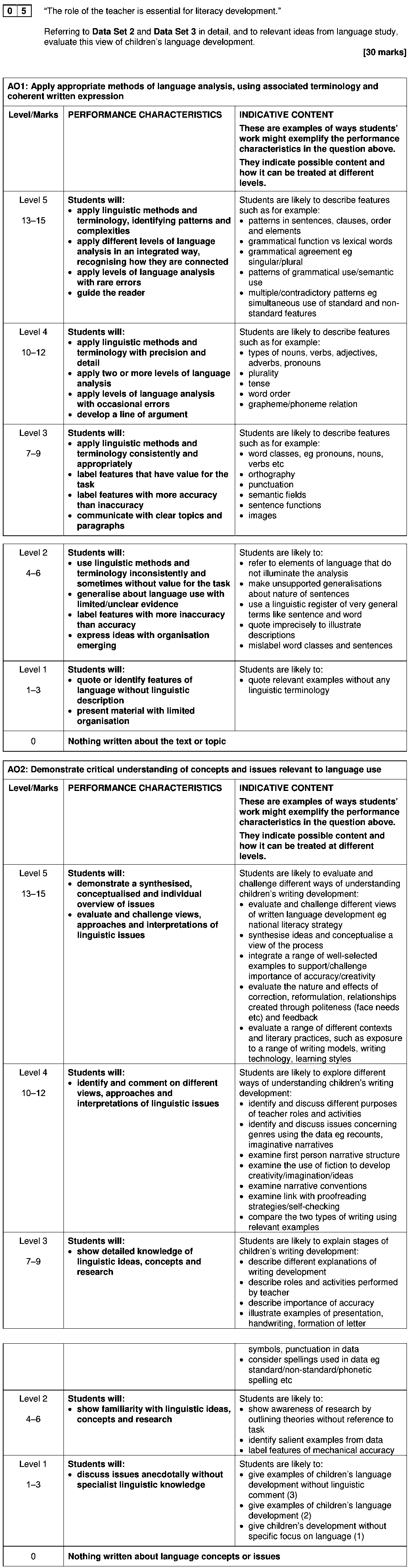
Text A (insert)
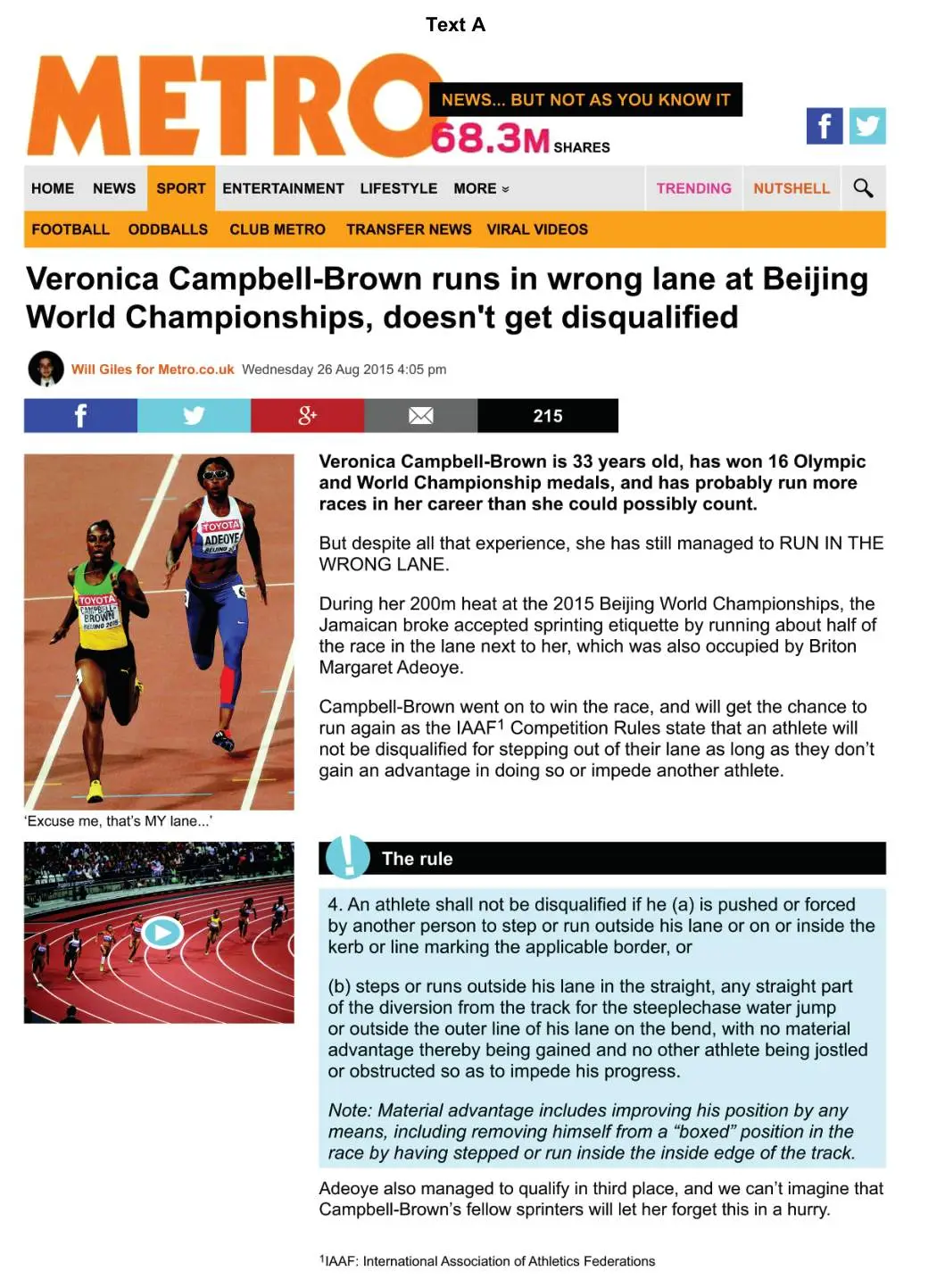
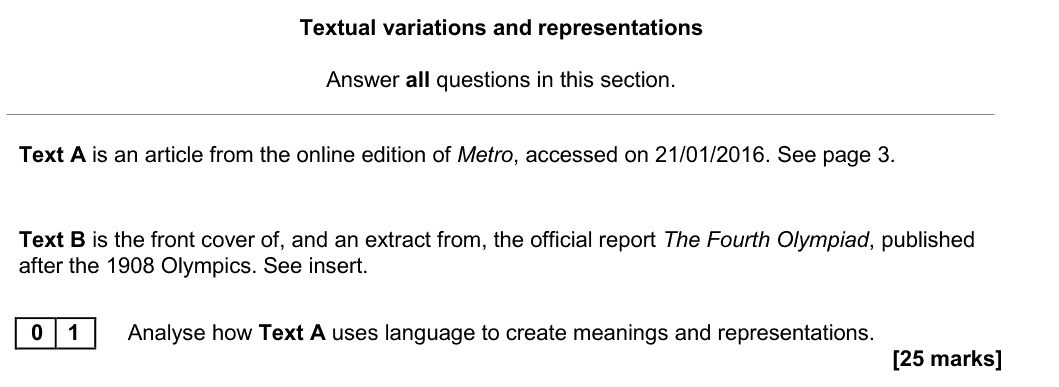
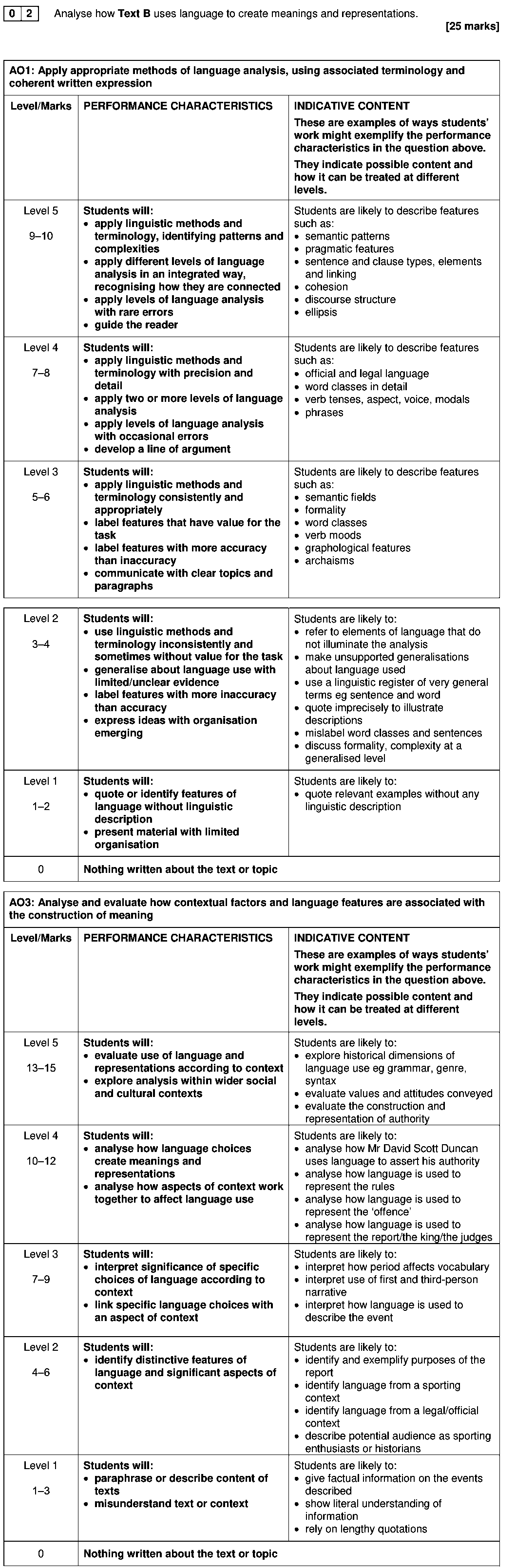
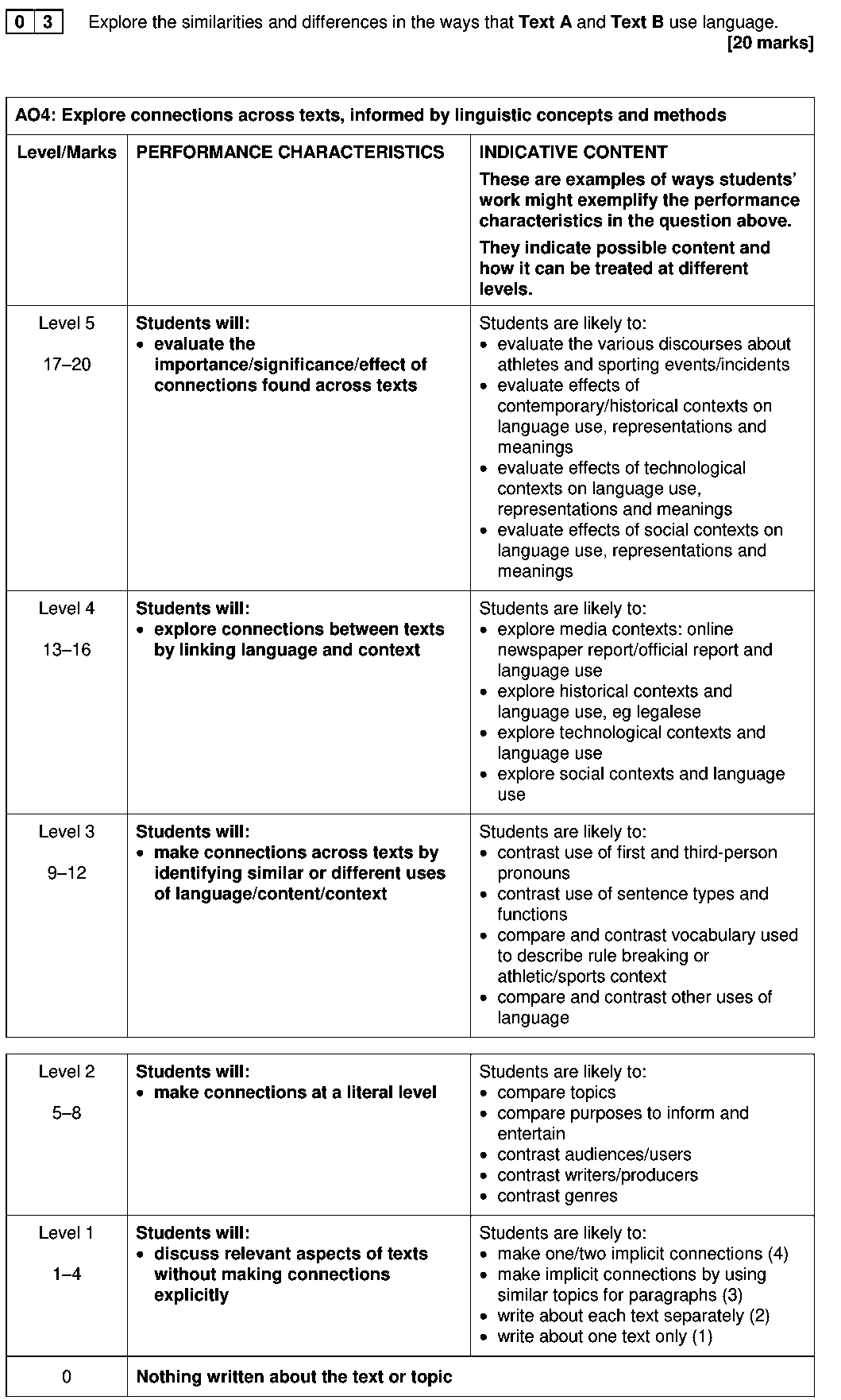
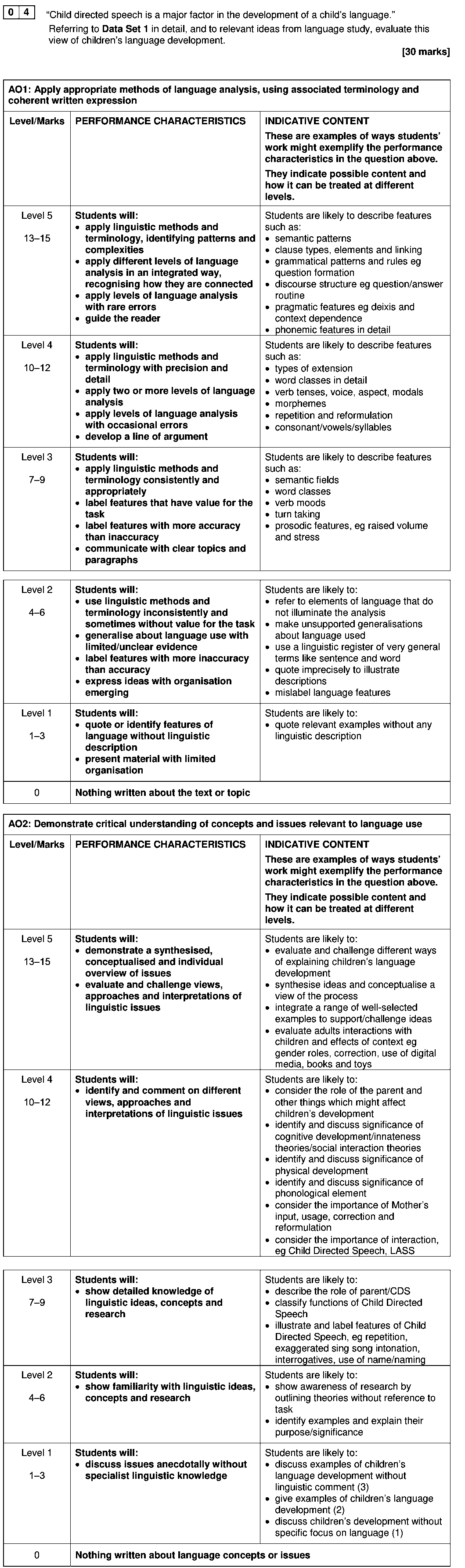
Mark scheme, including the levels and indicative content
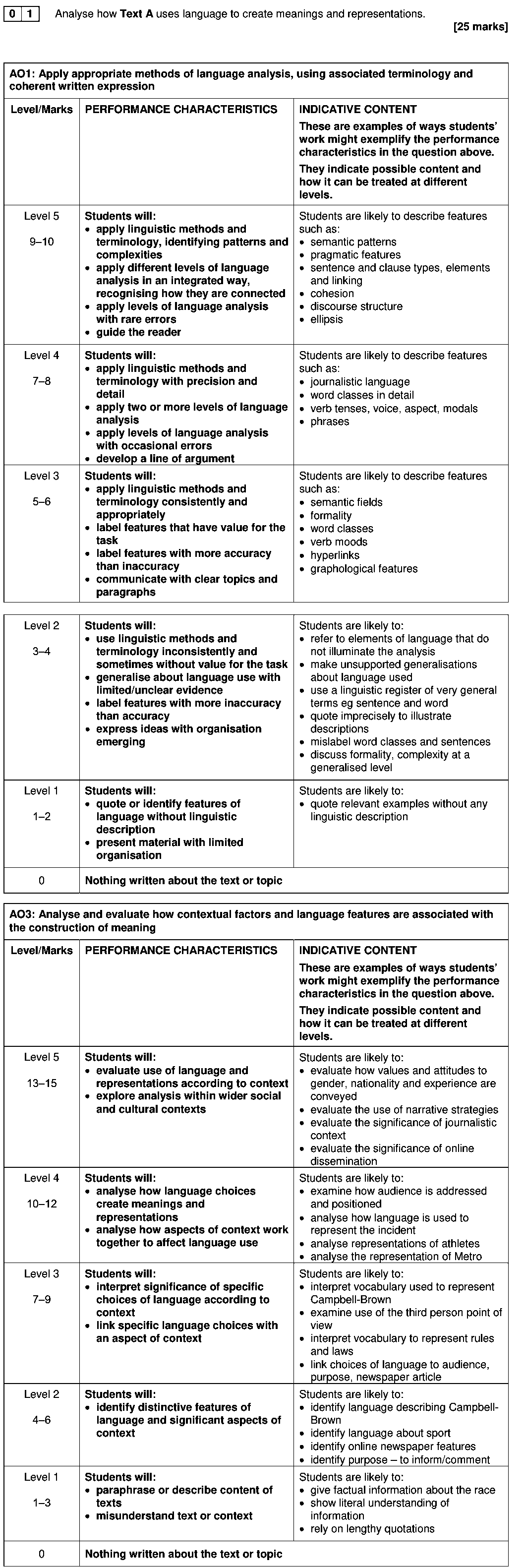
Examiner's comment
The data for this question was an online Metro newspaper article about a female athlete’s rule infringement when competing in the World Championships. The data offered the opportunity to consider a number of interesting representations of athletes, the Metro newspaper, the writer and the intended audience. In addition, the data included some subtle content in terms of attitudes and values towards sport, nationality and female athletes in particular. It also offered opportunities to demonstrate high level analysis of multi-modal data. The vast majority of students responded well to the compulsory question. Responses were assessed by students’ ability to examine how meaning and representations were constructed, interpreting contextual features and linking them to relevant language features. Examiners reported that there were some outstanding analyses of the blended purposes of the text linked to Veronica Campbell-Brown’s mistake and her impact on the British athlete. The best responses were able to link this patriotism to the light-hearted nature of the writing, and the dramatisation of the event to entertain readers. Most students coped very well with the demands of this data. However, some responses were overly concerned with the technical aspects of the data to the detriment of comment on the narrative and representations. This was sometimes accompanied with a detailed grammatical analysis of the headline and little else. This is clearly a problematic approach that does not address the question fully. Similarly, the focus on affordances and constraints of the text without any reference to meaning was an unhelpful approach. In some responses, examiners noted that overly ambitious approaches to labelling features led to intrusive inaccuracies. This was especially noticeable with the mislabelling of ‘but’ and ‘and’ as subordinating conjunctions, and ‘possibly’ as a modal verb. However, these responses were balanced by many that included some very accomplished application of linguistic methods, using detail from word class to clause analysis and semantic patterns. In some responses, examiners noted that there was a misunderstanding and oversimplification of the concept of audience positioning, leading to some discussion of the audience as though they were physically placed, above, below and alongside the text/writer. This rarely led to useful analytical comment, and it was much less convincing than discussion of the audience linked to pronoun use in the final paragraph, or patriotism connected with the British athlete. More successful answers: • understood the mixed purpose of the texts of inform and entertain, and used those to explain some of the language features eg capitals used in the image caption and features from the second paragraph • identified the audience precisely without becomingly overly focused on the idea that online articles are only read by young/uneducated/lower class readers • considered the complexities of the genre, moving on from the idea that it was a simple report of a sporting event, analysing the Metro’s intentions in taking a light-hearted approach to the incident • noted the shift in formality between the main text and that of the rule text box, often considering this alongside the move from active to passive voice in opening of the rules • examined the representation of Veronica Campbell-Brown as an accomplished athlete in the opening paragraphs, moving onto representing her as surprisingly foolish, but not a deliberate cheat, when she ended up in the wrong lane • examined the representation of Margaret Adeoye as a victim and British, linking this point to the British audience • considered the use of politeness eg ‘Excuse me…’ as part of the humorous approach and underpinning the representation of British attitudes and values in the article. This was often usefully linked to the representation of speech and the text as multi-modal • understood the dramatisation of the event, as overall, no rules were broken and no other athlete was ‘impeded’. This was often usefully linked to the dramatisation of the headline as ‘click-bait’ to encourage reading of the article • included detailed analysis of the abstract noun ‘etiquette’ and the notion that the error was about politeness rather than cheating, this was frequently linked to British values in sport • considered the attitudes towards gender offered in the article, as the focus of the article was on a successful, globally famous female athlete and then compared with the use of generic male pronouns in the rule box • examined how the audience was positioned in terms of values and attitudes in the final paragraph ‘we can’t imagine…’ and the British interest represented in the body of the article • considered how the online context added to the informative and entertaining purposes with the intertextual features and use of video evidence. This was also usefully linked to the representation of the Metro as a forward-thinking, popular and responsive publication, taking a relaxed, humorous approach to the incident.
Notes from the mark scheme and report
- AO1 10 + AO3 15
- top band evaluates values and attitudes to gender, nationality and experience, narrative strategies, the journalistic and online context
- best answers saw the blended inform/entertain purpose, the light-hearted dramatisation and patriotism around the British athlete, 'etiquette', the shift to the formal rule box and the 'we' positioning
- weaker answers fixated on headline grammar or affordances, mislabelled 'but'/'and' as subordinating conjunctions and 'possibly' as a modal, or treated audience positioning as physical placement
- Texts/data: Text A: Metro online article (2015) on Veronica Campbell-Brown running in the wrong lane at the Beijing World Championships